
What Is Cinco De Mayo and Why Does It Matter?
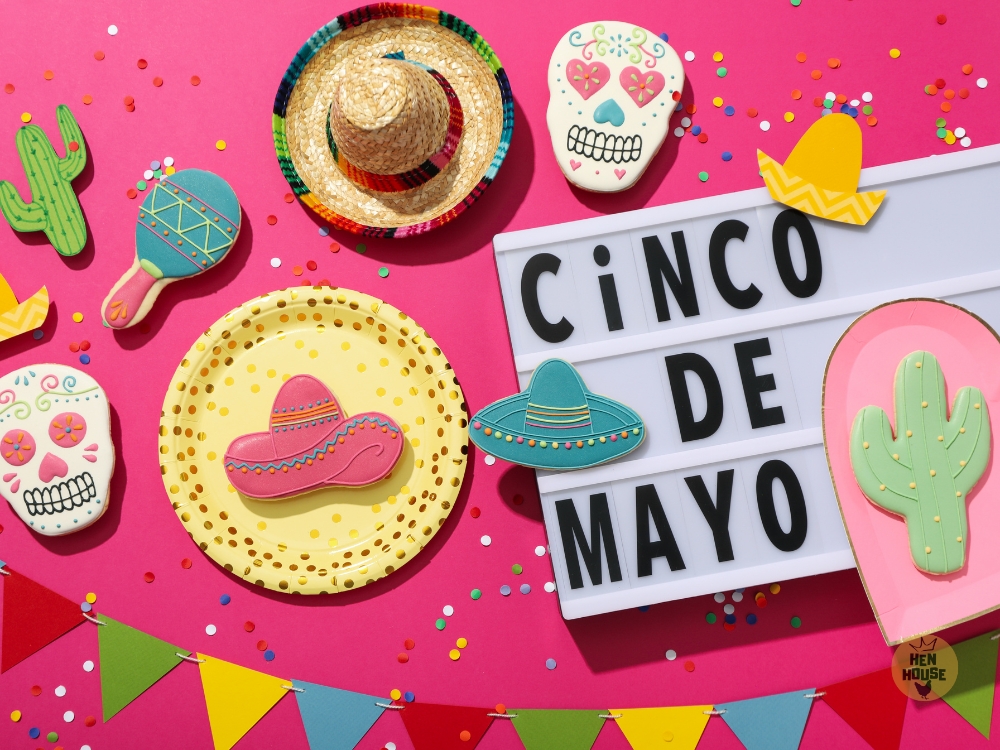 Cinco de Mayo is something you probably hear a lot about every early May, but what does it really mean? Many folks toss around the phrase like it’s just another fun party day for tacos and margaritas. But there’s more buried under all the colorful decorations and festive vibes. This day actually roots back to a specific moment in history, and it’s about more than just food, drink, and celebrations.
You might be scratching your head wondering what exactly Cinco de Mayo celebrates and why it matters so much to people in some parts of the world but less so in others. Sometimes, this holiday gets misunderstood or mixed up with Mexico’s Independence Day. That can make it confusing if you want to get the facts straight or want to join in on the real spirit behind the occasion. It’s not just a random fiesta; people feel connected to the history and culture that night sky fireworks and mariachi bands try to bring alive each year.
If you’ve ever found yourself enjoying a Cinco de Mayo party but didn’t know why you were celebrating, you aren’t alone. The story behind this day opens up questions about history, culture, and shared human moments of pride and resistance. Let’s unpack these together, starting with a plain-spoken look at what Cinco de Mayo really means and who gets involved in the fun.


Here’s the quick rundown on Cinco de Mayo you didn’t know you needed
- Cinco de Mayo marks a Mexican army victory in 1862, not Independence Day.
- It plays a bigger role in Mexican-American culture than in Mexico itself.
- People often confuse its significance and think it’s just about partying, missing the history.
- It involves food, music, parades, and cultural events celebrating Mexican heritage.
- The Hen House Project hosts a free event calendar where people can post community Cinco de Mayo celebrations.
- It’s important to understand the real story to appreciate the holiday beyond the commercials and the Cinco de Booze parties.
The battle behind the tequila and tacos
At the heart of Cinco de Mayo lies a battle fought on May 5, 1862, between the Mexican army and French forces in the town of Puebla. The Mexican forces were outnumbered and under-equipped but managed a surprising victory that became a symbol of resistance. While it was not a huge military win on a global scale, the victory was a big morale boost for Mexico, showing that it could stand firm against foreign powers.
What surprises many people is how this day, which commemorates that particular clash, doesn’t hold the same widespread fame inside Mexico as you might think. Most of Mexico views their Independence Day on September 16 as far more important. Cinco de Mayo is mostly celebrated with pride in Puebla, where the battle took place. So, while the rest of the country gives more love to other dates, Cinco de Mayo has found a special place within Mexican-American communities.
The victory itself symbolizes more than just a battle. It’s about standing up, even when the odds look stacked like a Jenga tower about to fall. It’s about resilience. Those old, shaky moments where tenacity writes the story of who you are, and that’s a reason people on both sides of the border hold onto it quietly, in their own way.
Who actually throws down on Cinco de Mayo?
You’d think this day would be huge all over Mexico, but it’s really the celebration in the United States that has grown the biggest. Mexican communities in the U.S. embraced Cinco de Mayo as a way to honor their heritage and history. It quickly caught on as a day of cultural pride, especially in places like Los Angeles, Chicago, and Houston, where big Mexican-American populations create vibrant events with parades, music, and plenty of street food.
Americans who aren’t Mexican often jump in too. Taco shops and bars turn up for the occasion with themed specials and decorations that make this day a fiesta for many. The real trick lies in remembering it’s a commemoration of a military victory, not just a pretext for a day of boozing and Tex-Mex. The event calendar from the Hen House Project helps folks find genuine community events where history and culture take center stage, not just cheap margarita pitchers.
Because Cinco de Mayo has evolved differently in Mexico and the United States, this holiday shows how culture changes when it crosses borders. It’s a living, breathing thing that adapts like wildflowers growing through city cracks, carrying traditions forward in new forms and with fresh meanings.
What actually happens at Cinco de Mayo celebrations?
If you’re wondering what the party looks like, it often includes a mix of music, dancing, and plenty of food. Street fairs pop up with mariachi bands, colorful costumes called traditional folklorico dresses swirling in the breeze, and foods like enchiladas, guacamole, and chiles rellenos on every corner. Kids might run around with painted faces, often holding tiny Mexican flags.
You’ll see communities holding parades with flags waving and sometimes historical reenactments to remind everyone why the day matters. Family gatherings happen too, filled with stories about ancestors and pride. Drinks flow, for sure, often with a margarita or paloma in hand, but it’s not just about the booze—it’s about connection.
Here’s something you might not expect: in Texas, particularly San Antonio, some bar owners put up piñatas shaped like Uncle Sam for a little cheeky fun, showing how this holiday can blend playful pokes at history while celebrating heritage. That’s the quirky part of Cinco de Mayo, mixing seriousness with slapstick and togetherness with a sense of humor.
Clearing up the mix-ups that cloud Cinco de Mayo
Without a doubt, a handful of misconceptions swirl around this holiday. The biggest one is confusing Cinco de Mayo with Mexico’s Independence Day. The two don’t overlap in time or meaning. Independence Day marks Mexico breaking away from Spain back in 1810, a much bigger deal overall. Cinco de Mayo is about defending Mexico’s sovereignty during a very specific French invasion much later.
Another false belief is that Cinco de Mayo is huge everywhere in Mexico. Many people just don’t celebrate it widely. It’s mostly a regional celebration and much more prominent where Mexican-Americans live in the states. The day does sometimes get used as an excuse for parties that don’t honor the history, turning it into just another excuse to drink, which waters down the day’s significance.
Bringing awareness about the real story doesn’t take the fun out of the day. It actually adds layers to it, making the party richer and the history stickier in your mind like melting queso on warm, fresh tortillas. Understanding this helps people connect better, whether they’re cooking up food, dancing, or cheering during a parade.
Comparing Cinco de Mayo with other heritage celebrations
Picture this as a way to see why Cinco de Mayo stands out, and also why it sometimes gets lost in the shuffle compared to other days.
| Celebration | Date | Significance | Who Celebrates Mostly | Main Activities |
| Cinco de Mayo | May 5 | Mexican victory over French at Puebla | Mexican-Americans in the U.S., Puebla in Mexico | Parades, food, music, cultural events |
| Mexican Independence Day | September 16 | Mexico breaking free from Spanish rule | Mexico | Fireworks, speeches, parties |
| Dia de los Muertos | November 1-2 | Honoring ancestors and dead loved ones | Entire Mexico | Altars, costumes, families gather |
This side-by-side helps show why Cinco de Mayo is sometimes confused or overshadowed but still keeps its unique flavor as a celebration tied to courage and culture. It doesn’t just ride on tradition. It rides on a story of beating the odds, a narrative that can resonate anywhere courage matters.
Wrapping the story in a warm, tortilla-like hug
All things said and done, knowing what Cinco de Mayo stands for helps lift the lid off a box of mixed-up ideas and puts the right stories front and center. It’s about a specific battle, a boost of pride, and a recognition of resilience that Mexican communities in the United States especially hold dear. The contrast between the day’s popular image and its origin tells us a lot about how cultures grow and change depending on where and how they travel.
Celebrations mix old and new ideas, community and fun, all clanging together like a lively downtown street band. Without grasping the real meaning, there’s a risk of missing out on what makes Cinco de Mayo sparkle beyond fajitas and fancy hats. It is a chance to connect with history, identity, and the joy of remembering who we are as communities, all wrapped in vibrant music and shared laughter.
The what-we-can’t-forget fiesta facts
- Cinco de Mayo shines a spotlight on the 1862 Battle of Puebla, not Mexico’s independence.
- Mexican-Americans played a big part in turning it into a cultural celebration in the U.S.
- Real events include parades, traditional music, local food, and community storytelling.
- Confusing Cinco de Mayo with Mexico’s Independence Day is common but misses the point.
- Businesses and organizations like the Hen House Project provide free calendars for posting actual community events.
- The holiday is a colorful testament to standing strong in tough times, not just a party.
Be safe celebrating Cinco de Mayo with friends and family!